Everything You Required to Find Out About Reporting a Foreign Present: A Comprehensive Guide
Reporting international presents is a vital facet for U.S. organizations. Understanding the legal needs and the implications of non-compliance is vital for keeping integrity. Establishments must browse intricate reporting thresholds and due dates. Correct documentation plays a necessary role in this process. As the landscape of worldwide donations evolves, institutions should adjust their techniques accordingly. What are the most effective techniques to ensure conformity and openness?
Recognizing International Presents: Interpretation and Extent
While several institutions may receive different types of support, recognizing international presents calls for a clear definition and range. International presents describe any kind of funds, products, or solutions offered by foreign entities, individuals, or governments to U.S. organizations. These gifts can come in various types, consisting of cash money contributions, residential property, study financing, and scholarships.
The range of international presents includes not only direct financial support yet additionally in-kind payments that could influence the organization's operations or research priorities. It is important for organizations to recognize the implications of accepting such presents, as they might lug particular conditions or expectations from the donor. Comprehending the nuances of foreign gifts aids companies in preserving transparency and responsibility while cultivating international relationships. Inevitably, a complete understanding of foreign presents is important for institutions to navigate the intricacies of funding and copyright their honesty in the academic and study neighborhood.
Legal Demands for Reporting Foreign Present
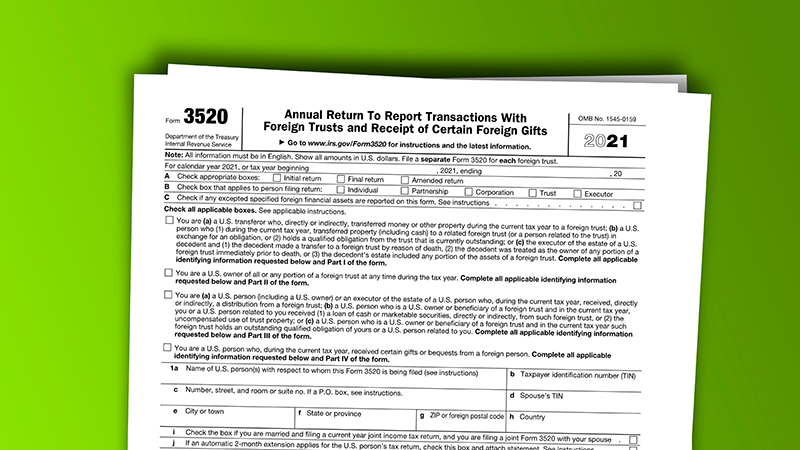
Furthermore, government regulations may demand transparency relating to the resources of funding, particularly if connected to sensitive research study locations. Organizations need to keep exact documents of foreign presents, assuring they can confirm reported payments throughout audits. This process usually requires cooperation among numerous institutional divisions, consisting of money, legal, and compliance groups, to ensure adherence to both government guidelines and institutional policies. Understanding these lawful structures is vital for establishments to effectively manage and report foreign gifts.
Secret Coverage Thresholds and Deadlines
Institutions need to recognize specific reporting target dates and thresholds to confirm compliance with regulations concerning international presents. The U.S. Department of Education and learning requires institutions to report any international presents going beyond $250,000 within a fiscal year. This threshold incorporates both private gifts and cumulative payments from a solitary international resource.
Additionally, establishments have to report any foreign gifts going beyond $100,000 to the Foreign Representatives Registration Act (FARA) if the gifts are linked to lobbying or political activities.
Due dates for reporting are vital; organizations are usually required to send annual records by July 31 for gifts obtained during the previous . Failing to satisfy these due dates or limits may lead to fines, including loss of government financing. Because of this, establishments need to develop a persistent surveillance and reporting process to assure adherence to these important guidelines.
How to Appropriately Document and Record Foreign Gifts
Appropriate paperwork and coverage of foreign presents require a clear understanding of the needed compliance actions. This includes sticking to a required paperwork list and adhering to established reporting treatments. Lawful considerations must likewise be thought about to ensure complete compliance with applicable policies.
Required Paperwork Checklist
Precise documents is necessary when reporting foreign gifts to determine conformity with regulatory demands. Establishments must keep a detailed document of each gift, consisting of the contributor's name, the quantity or worth of the present, and the day it was received. Additionally, a description of the purpose of the present and any kind of limitations enforced by the donor ought to be documented. Correspondence with the donor, such as emails or letters, can offer context and verification. It is also crucial to consist of any kind of relevant contracts or agreements. Financial documents, such as financial institution statements or receipts, ought to support the worth of the present. Correct company and retention of these papers will promote the coverage process and assurance adherence to guidelines.
Coverage Procedures Review
When steering the complexities of reporting foreign presents, it is vital to adhere to well-known treatments to ensure compliance with governing requirements. Organizations should start by determining the nature and value of the present, making certain precise paperwork. This consists of putting together receipts, contributor document, and any type of relevant agreements. Next, entities need to submit the needed types to the appropriate governmental bodies, typically consisting of the Department of Education and learning or other assigned firms. It is important to stick to target dates, as tardy submissions might lead to fines. Additionally, keeping extensive documents of the reporting process is crucial for future audits. Companies ought to educate their employees on these procedures to guarantee regular compliance across all divisions.
Conformity and Lawful Considerations
Exactly how can companies assure they meet compliance and lawful criteria when documenting international presents? To determine adherence, institutions should develop an extensive coverage structure that consists of clear definitions of foreign gifts and thresholds for reporting demands. Exact documents is important, requiring thorough documents of the present's resource, worth, and purpose. Organizations needs to apply internal policies for timely reporting to pertinent authorities, including government firms, as stipulated by the Foreign Gifts and Contracts Disclosure Act. Training team on compliance methods and keeping open lines of interaction with legal guidance can additionally improve adherence. Regular audits of international gift documentation practices will certainly assist determine potential conformity spaces, assuring companies maintain lawful criteria while cultivating transparency in their financial relationships.
Consequences of Non-Compliance in Coverage
Failing to follow foreign gift coverage demands can lead to considerable legal fines for organizations. Furthermore, non-compliance may stain an institution's track record, undermining trust with stakeholders. Recognizing these effects is vital for maintaining both lawful and honest requirements.
Legal Charges for Non-Compliance
Non-compliance in reporting foreign gifts can cause significant lawful charges that may negatively impact individuals and establishments alike. The Federal government strictly enforces laws bordering international contributions, and violations can cause severe consequences, consisting of hefty fines. Establishments might encounter penalties getting to thousands of dollars for every instance of non-compliance, depending on the quantity of the unreported present. Additionally, people entailed in the reporting procedure might experience individual responsibilities, including fines or possible criminal fees for unyielding neglect. Furthermore, the potential for audits boosts, bring about more scrutiny of financial weblink methods. On the whole, understanding and sticking to reporting needs is essential to prevent these significant lawful implications and warranty conformity with federal laws.
Effect On Institutional Reputation
While lawful fines are a significant problem, the influence on an establishment's credibility can be similarly extensive when it concerns failing to report foreign gifts. Non-compliance can result in public question, harmful connections with stakeholders, alumni, and potential donors. Institutions risk being regarded as undependable or doing not have transparency, which can discourage future financing opportunities. Additionally, unfavorable media protection may magnify these concerns, causing a lasting tarnish on the institution's photo. This erosion of credibility can have far-reaching consequences, including decreased registration, difficulties in recruitment, and weakened collaborations with other academic or research establishments. Eventually, the failure to stick to reporting demands not only jeopardizes economic stability yet also compromises the stability and integrity of the institution itself.

Best Practices for Handling International Gifts in Establishments
Successfully handling foreign gifts in establishments calls for an organized approach that focuses on transparency and compliance. Establishments must establish clear plans laying out the approval, reporting, and utilization of foreign presents. A devoted board can oversee these plans, ensuring they straighten with both regulative demands and institutional worths.
Regular training for team included in gift administration is necessary to keep awareness of compliance commitments and ethical considerations. Organizations have to perform complete due diligence on possible international benefactors to examine any kind of potential threats related to accepting their presents.
Additionally, open communication with stakeholders, including professors and trainees, promotes trust fund and minimizes concerns concerning foreign influences. Periodic audits of foreign gift deals can help identify any disparities and maintain liability. By applying these finest methods, establishments can properly navigate the complexities of receiving foreign presents while securing their stability and online reputation.
Regularly Asked Inquiries
What Sorts Of Foreign Present Are Exempt From Coverage?

Can Foreign Gifts Be Made Use Of for Personal Expenses?
International presents can not be used for individual expenditures. They are meant for particular objectives, commonly pertaining to educational or institutional assistance, and misusing them for individual gain might cause legal and honest repercussions.
Are There Fines for Late Reporting of Foreign Present?
Yes, penalties can be enforced for late like it reporting of international gifts. These might include fines or restrictions on future financing. Prompt compliance is important to stay clear of possible legal and monetary repercussions related to such reporting needs.
How Do Foreign Gifts Impact Tax Obligations?
International gifts might impact tax obligation Learn More Here obligations by possibly being subject to reporting demands and, in many cases, taxes. Recipients have to divulge these presents to assure compliance with internal revenue service regulations and prevent charges or unexpected tax obligation obligations.
Can Organizations Reject Foreign Gifts Without Reporting?
Organizations can decline international gifts without reporting them, as there is no commitment to approve contributions. report a foreign gift. If accepted, they must adhere to governing needs concerning disclosure and potential effects on tax obligation commitments.